Adi Kulas: Hi everyone. Thank you so much for joining us today in this webinar. I am Adi from the Panax team, and I am very excited to moderate today's conversation about what exactly is happening inside finance and treasury teams right now, which skills are rising in value, which ones are disappearing, and what you and your team can do about it today.
Before we jump in, just a few quick housekeeping rules. This session is recorded. You will receive the recording in email later on. We have prepared a few questions for an open discussion, but feel free to leave more questions in the chat and either we get to them today or the Panax team will be in touch about them after we wrap it up. We are keeping this session tight and concise, about 40 minutes. So we have a lot to dive into. This is our agenda for today. We're gonna talk to our speakers, Pieter and Eyal. Pieter will guide us through the treasury talent landscape today, what is changing. Eyal will share his insight for what does an AI ready team look like? And then we'll open it up to discussion - how do we close the skill gap? And we're not gonna let you go without practical takeaways you can take to action today. And of course, answer all your questions in the end.
Okay. Enough with me. Let's get to the interesting people in this conversation. Pieter, how about you tell us a little about your background and what brings you to this conversation today?
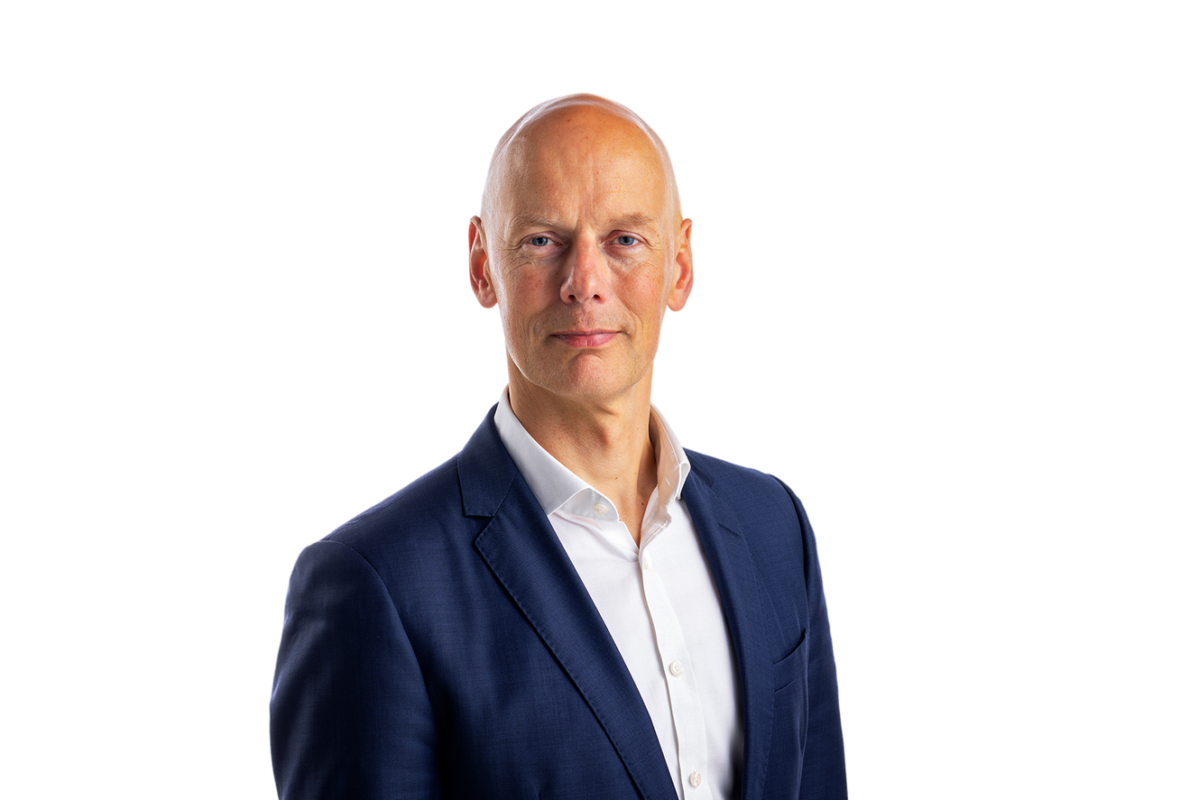
Pieter de Kiewit: Hi, I'm Pieter. Thank you for having me in the session. Always have been a recruiter. Already in the previous millennium, I liked the job of corporate treasury a lot to recruit in, not to work in. So when I started my own company in 2009, I decided to only focus on that field. And now we have a team of 12 focusing on corporate treasury, second career step up to group treasury level, permanent and interim. Yeah, I think that's an initial what we are, who we are, and who we are.
Adi Kulas: Nice. Thank you. Thank you again for joining us today. Eyal, why don't you tell our viewers a little about your background and what you do here at Panax?
Eyal Bronshtein: So hi everyone. I started my career at EY. I spent there just more than five years. Then I moved into the fintech world where I built an operations team, support, and customer success. And in the past 18 months, I'm leading the customer success here at Panax. I work hands-on with finance and treasury teams every day.
Adi Kulas: Nice. Okay, Pieter, let's get into it. From the hiring perspective, just like you mentioned, you've been placing treasury professionals for so many years now, you've seen a lot in the industry and in treasury. What is different about today, about right now with AI?
Pieter de Kiewit: Yeah. Let me start generally spoken before diving into the AI. Something treasurers do not want to hear, I suppose, but treasury is not a prominent topic for CFOs, for many CFOs. Can talk a lot and very long about that, but that also translates into treasury recruitment. One could say that at junior level, because there's hardly any education in regular education on treasury, the inflow of young treasurers is mostly very generic and treasuries competing with control and with accounting. And at senior level, one could see that you should be able to connect to other functions to win that game.
And if you then go into specifically AI or what's happening there, what's changing in recruitment of treasurers is something we tend to ignore: many CFOs are just as clueless on the topic as many others. So there's no long track record, there's no benchmarking. So it doesn't mean that recruitment in corporate treasury is changing super strongly because of AI. It should, but it doesn't because CFOs are also in this search. And I think that connects a bit to what is already longer in the treasury community happening. A lot of people in positions want to have a seat at the table in the boardroom. And this could be their opportunity in my perspective, but they have to step forward because there's also a danger there. There's a super chance to get that spot at the table, but there's also a big risk because accounting and control are also not sitting still and might move forward quicker. So that's what's currently happening in treasury recruitment. And I think all other topics concerning AI and recruitment will follow but it's not always as treasury specific as one might expect. Other functions struggle with the same issues as treasury does.
Adi Kulas: Yeah, that's definitely something that I think resonates with a lot of industries. But do you think when CFOs go to hire today, is AI fluency and literacy something specific that they're looking for, that they're adding into the job description, or is it a nice to have that you pick up on the role?
Pieter de Kiewit: Yes it's mentioned and traditionally in recruitment one would say- okay, you have to know accounting, so a double check, you have a CPA. Or you have to know controlling, so you need a CMA. Well, that doesn't apply anymore, not for treasury and also not for AI. So even if CFOs or group treasurers say, we need AI skills, and somebody says, I've got them, there's no objective way to measure. Because the people who have to recruit are also clueless, so they also think, okay, he knows how to write a prompt, or he has a paid account for Copilot, then he must be good. So it really forces people to think about, okay, how do I make it tangible? And luckily, there are enough ways, as a recruiter who thought about it, to think about how to make this measurable. But that's not AI specific, not treasury specific, but you see it in job descriptions. And to add on that, I do not think we need AI experts. I think we need treasurers who are willing to apply AI.
Adi Kulas: So let me just continue this train of thought. When you are talking to a senior treasurer or to a CFO or anybody who are looking to hire today in this specific environment where AI is taking over and you are saying yourself they need to be willing to learn and to grow with it. What is the tip that you give to hiring committees for treasury professionals? When they look at a candidate, what would make them more suitable and more recruitable, if you will.
Pieter de Kiewit: Well, first I would ask what's the current status of AI in your company? Where do you stand? Is there a policy? Did you put some strategizing into that? And then, of course, in recruitment, one says if he or she has done it in the past, he can do it in the future again. So you can see, okay, did somebody have an AI project? But if that's not the case, or not sufficiently measurable, I would say: recruit for agility. Can you describe situations where transitions were being done? When something had to change, when new technology came in, what did you do? And also what worked, what didn't work? And people should be able to tell what didn't work and what they did after. So my advice would be: if you want to hire on AI but can't measure it, at least recruit for change expertise and that's a mindset more than a skill.
Adi Kulas: And is that something that you see has changed or has become more prominent in recent years? Because I think to be a successful treasurer, you always needed to be able to ask the questions. But do you think that AI enhanced that or maybe took it a step back?
Pieter de Kiewit: Well, it forces people to think better about it and they could kind of ignore the topic in the past because they were not punished enough for it. So in that sense, it's a bit of a negative motivation, but it works. But in general, the treasury community tends to be quite conservative, risk averse and not really prone to change. So change makers are few in the corporate treasury community. While saying this, I understand that I'm not making friends, but that's my personal observation there.
Adi Kulas: Okay. With all the talk about the treasury community being very conservative, that actually is the perfect segue to Eyal to talk about the current landscape. While putting this webinar together, we came across these numbers that while most of treasury teams, fifty-five percent, more than a half, are evaluating use cases for AI or thinking about redesigning their processes, very, very few of them actually successfully deployed it and managed to see the impact that it brought to their day-to-day life and work. So Eyal, I'll hand this one to you. Where do you see teams struggle today?
Eyal Bronshtein: Yeah. As you said, I think the gap is real. I see many teams that are willing to adopt AI, but barely succeed. And I think there are a couple of reasons for that. First of all, they're starting to explore different AI tools, starting to connect it to current workflows, to current Excel processes. And then basically what they receive is maybe just a faster workflow that they did up until today. And then the other thing is instead of connecting the AI to their entire data sources, banks, ERPs, they sometimes have constraints where they're not able to connect AI to all of their data sources. Some IT limitations, they don't have access, and so on. So basically they receive only a partial picture of the entire treasury workflow. So what are we seeing? All process runs at a higher speed. And then they think the picture they see is the entire picture. But sometimes, as I said, they don't have all the data connected, so basically they don't have the right input. And they can't act on these numbers, right? Because first thing you need to lay the foundation of the data for the AI to produce the right output. And this is basically what we do here. We are connected to all of the data sources, all the banks, all the ERPs. We normalize the data. So once we connect the AI, at that moment you receive the entire picture. The AI produces the right output. They have better visibility and then they actually can start acting on numbers and not just producing them.
Adi Kulas: Yeah, that makes a lot of sense. You see a lot of finance teams, you work with them every day and you've seen the successful process of what the team looks like before AI that is connected to their full financial context and history and what it looks like after. So what do you see as the successful picture of a finance team that is ready for AI?
Eyal Bronshtein: So first of all I think the treasurer has an issue where they first need to trust the data. The shift that they need to do is hard, right? Because they have a certain process they trust. And now they need to shift into a new process where the AI takes over. So first of all they need to trust the data they see. Once they trust the data, then the AI handles the data layer twenty-four-seven, right? And that's where the treasurer starts the shift entirely. Instead of opening Monday morning, asking, okay, what happened last week? Let me pull the data. Extracting the data from the bank. Instead of that, they can basically start asking and looking at a live cash position. Asking, not what happened last week but what are we doing right now. The numbers are there. Now they need to start asking the right questions.
So the second thing, they start thinking about redesigning their workflow. The mind shift, as we mentioned. They need to change their mindset. Instead of being the one who produced the numbers, they need to become the decision maker. Not only automating the old processes on Excel, they need to start building a new process and asking new questions around what AI can do. Now that the data layer is running live 24/7. So I think they need to develop a new skill, which is basically to be less of an operational treasurer and start being more of a financial leader. If the treasurer starts asking the questions that he was once asked by the CFO, then he becomes a better partner to the CFO. A better strategist instead of just an operational treasurer trying to produce numbers, asking questions that are not relevant anymore by the time you produce the numbers. With AI, everything is in front of you. You just need to ask the right questions. And that's the story of it.
Pieter de Kiewit: If I may step in, just have to ask the right question, just have to learn a new skill. My first response to what you're saying there is a lot of treasurers got away with non-strategic work because fuzzy unproductive processes were in the way. They got away because they couldn't ask the question because they were busy. I think now the new bottleneck will come up because what you're asking there of people, you'll always be an operator, now be a strategist. That's something like saying you went to vocational school, now pretend you're a Harvard graduate. That's quite an ask, don't you think so?
Eyal Bronshtein: Yes. Not all treasurers can become strategic thinkers overnight. But with AI we can save them a lot of time. What I hear day to day: save me from this manual work, from this tedious work, from this labor that I invest into producing the numbers. And now that they have all this free time, what should they do with it? Now that they are not buried in producing the numbers, they're starting to think differently. Now they can have answers in minutes instead of hours or days on questions they couldn't get answers to before. I think life will become easier for the treasurers and they will have better answers, faster answers. And I think their job won't change but the description of what they can do and will do will change.
Pieter de Kiewit: The job indeed doesn't change. It's stressful, you have to secure liquidity. But how you fill your day is entirely different, the tasks will be different. And if you snooze, you lose and you will be pushed out because others can do this too.
Eyal Bronshtein: Right. And I think the bottom line is the value I can produce. The treasurer's value today is, as you say, to secure liquidity. But today he can bring additional value: better capital efficiency, better ROI, better allocation of funds, how much to put into term deposits, money markets, where I can produce the higher interest rate. Or can I make an early repayment for my loan? Yes. Now that you have AI and you can see your forecast a week ahead, a month ahead, and you can ask it: based on my weekly forecast, do I have enough available cash to repay my loan early so I can save on interest? So now they will have better answers, faster answers, and they will provide their CFO with better value and ROI, and I think that's where the change lies with AI.
Adi Kulas: What I wanted to say is to tie both of your perspectives together, which are very different and I like that, but they also come together. Pieter, you did say that the treasury community is conservative and it takes time to adapt to change. But what Eyal is describing is the end goal: to make that leap and to be a strategic thinker. It doesn't happen overnight. AI allows for these processes to be faster and more efficient, but there's definitely room to grow and for treasurers to start today with one small step that will eventually get them to the strategic position that maybe they're not so used to because they're so busy on the day-to-day.
Eyal Bronshtein: Yeah. Adi, I think most treasurers strive for that change and are willing to adapt. And I think the thing that separates those who make it from those who don't is just to trust the data. That's the most important thing. Once they have trusted data, the change will come.
Pieter de Kiewit: I do agree with you that it's super important. But I think there will be more bottlenecks. Because you also have to think about investment work and capital management. That's also an invitation to expand your view. But it's also about being able to take the stage. Because you are not invited to the stage, you have to take the stage. If you leave any of these out, the whole thing falls apart. If data is crappy, you are really good at a crappy process. If you cannot interpret, no value, because then you can't bring it forward. If you don't tell your story out there, and I think we really need as a treasury community to go out, because we are looking for the solution within our own community. But it's not there, it's elsewhere. It's with procurement, it's with sales, it's with the CFO.
Adi Kulas: We actually already opened up the discussion here. We have prepared some questions for our discussion to begin, but I think we've already kind of touched on these. Maybe we can elaborate more. Starting with the bottleneck that you mentioned, Pieter, why are teams still behind? Because as technology is more available and more accessible and the adaptation begins, the gap also widens every day for teams who are still behind. So why are they still running on manual processes?
Pieter de Kiewit: Well, next to the obvious I just mentioned, not being risk takers, I also think we should not forget this is about other people's money. And if you say tools are there, and you start implementing all kinds of tooling, if you only use LLMs and there's too much diversity, or if you choose all of them there will be a big mess. And it's money we're talking about. So if you make a mistake in a transfer or there's hallucination in your process, so I do think some caution is of course relevant. That's the main reason we don't move forward there. Very curious what Eyal has to say about this.
Eyal Bronshtein: So I think as we both mentioned, the main thing is trust. If the data is wrong, the treasurer will go back immediately into familiar workflows, into Excel. I think that's the shift. And if there is the right foundation to take all of your data and turn the input into the right outputs, the treasurer will be able to trust the data. Then we will see the shift into using different tools. And I think this is the reason we are here, to show it's possible.
Adi Kulas: It's interesting because Eyal you talk about trust, but Pieter, you talk about setting the boundaries with AI implementation and saying these are my guardrails and these are the thresholds I'm not willing to cross. They kinda go hand in hand. You need both the trust and the limitations and the clear definition of successful AI implementation to really kick off that process. Which leads me to our next question about the gap and actually starting the process. Where is it coming from? Is it a bottom up situation where the team is reluctant and therefore the leadership as well, or is leadership just not allocating enough resources to it? Eyal, share with us from your experience.
Eyal Bronshtein: So I think maybe both. If the change to become AI ready won't come from the management level, from the CFO who will decide that this is a priority for his team, it won't happen. But at the same time, we have the treasurer itself. If there is a driven treasurer saying, okay, that's enough, I want a new tool. And this is something that I hear on a daily basis. When I meet those treasurers, they're just saying, thank you, thank you for saving me and bringing me this visibility into my day-to-day work. So again, I think it's both ways. It could be either from the management or from the treasurer itself.
Pieter de Kiewit: I did some thinking and I changed my mind over time. I do think this is a leadership topic. And I also want to go beyond what Eyal says, because it's not only about budget and time. It is about making essential decisions, taking a step back about your treasury process and thinking about, okay, what is actually needed from us, from liquidity? What's the dream? And if we want to include, for instance, working capital management or strategic investment making, how would the dream then look like? What is already possible? And we all know in this session, AI can do so much more than we allow it to do. So I think leadership should start the whole process and say, okay, we will have to do a full redesign, let's start with treasury, design how we want this to move and directly after, who do we have in our team? How do we upscale people, who do we have to bring in extra? And design for the future instead of making an okay process quicker. That doesn't mean that we shouldn't do that if it's low-hanging fruit, but I think this is first a leadership topic. And if you feel yourself at the bottom of the food chain in a very operational job, that does not mean that you're not allowed to do anything. There's a lot you can do. But I think leadership has to step in and connect their strategy to what's possible now because there's so much possible, so much opportunity.
Adi Kulas: Thank you for that. Let's move on to our next question that I think a lot of our viewers today are anxious about: the future of the treasury profession itself. What is it going to look like in the day after AI? Pieter, do you think the treasury profession is at risk? And what advice would you give to treasurers and to finance teams who are looking to advance themselves professionally today?
Pieter de Kiewit: Yeah, I think they have a great opportunity and at the same time a big risk. Accounting and controlling and FP&A are not sitting still. I think they can eat part of what treasury is doing unless treasury in time steps forward and shows their added value and makes their move and claims the stage. So you have to continue your strategic thinking on many levels. I do think the whole agility, the nimbleness, the thinking on your feet used to be a plus, something that sets you apart. But now, with so much efficiency that can be gained from just a few people, if you don't think on your feet then you stand a chance to be out. That's dark.
Adi Kulas: So if I understand you correctly, you're saying that what used to be a nice to have is now the standard, the new bar in treasury: to always be on your feet, to always ask questions and always think about the next step.
Pieter de Kiewit: Exactly. You have to make it relevant.
Adi Kulas: Eyal, what would you advise the beginner treasurer to invest in today to secure their success in treasury?
Eyal Bronshtein: Yeah. If Pieter said the bar is rising, I think the bar indeed is rising because treasury teams are now being expected to deliver a better and different output. They're being asked different questions than before. So I think the skills that they need to build right now is better thinking about how to query the data. Because now they have the option to do it. What to ask, how to ask, and to be able to do this shift. That's the main skill.
Adi Kulas: Okay, last question for this discussion. We talked about the dream, the dream of every treasurer and every team. But what does it really look like, Eyal? Maybe if you could bring in some examples from teams that you've been following from the start of implementation to the end. What is different and what does it look like?
Eyal Bronshtein: Yeah. So now they have the options to ask the questions they always wanted or to answer their CFO's questions in seconds, in minutes. Some of those questions: better understanding of their FX exposure, for example, which now takes lots of time to build and understand, and now it's just one prompt. Tell me what my euro exposure would be if X and Y will happen. And another example is better planning of capital efficiency. What will happen if in the next week my term deposits will expire? What should I do with the funds? Should I fund different entities? Should I reinvest? What would be the interest that I could get? If those questions previously took days, hours to prepare, now it's a matter of minutes.
Pieter de Kiewit: Treasury content-wise I cannot add to that, but we should not forget that there will always be a bigger goal. So we should accept that improvement and success is a moving target. Let's not focus on the ideal situation and then decide we're done, because when we're there, we're pretty sure that we have to change. So I think the mindset of continuous curiosity and innovation is unavoidable. Let's not think there's a holy grail called success. We tick a box called success and now we are in heaven. It doesn't work that way. Think along the way. How can we add more value?
Adi Kulas: That's very interesting because we talked about how AI makes our work faster. But what you're saying here is that success is also moving fast, also changing. So maybe success is not just quickly getting to the numbers, but also quickly adjusting to what AI is allowing us to do and changing our mindset to meet these new expectations.
Okay, we actually have a few questions that some of our viewers sent to us before and during registration. Pieter, this one is for you. The first question is: when I hire my next finance person, what should I be looking for? Should AI fluency be a formal part of the job requirement?
Pieter de Kiewit: I would say AI literacy a plus, curiosity and agility a must. That would be my answer.
Adi Kulas: Eyal, when a treasury team welcomes a new member, what actually makes them better from day one? Not an acquired skill on the job, something that they already bring in with them.
Eyal Bronshtein: I think it applies to all positions, but: drive, hunger, motivation, and thinking every day about how can I be better with the tools that I have.
Adi Kulas: Moving on to the next question. Pieter, how do you see the treasurer role changing over the next three years and what should I be doing today to stay relevant?
Pieter de Kiewit: I think the expectations will go up, the teams will be smaller. Where in the early days people with a more basic education would be able to do the job or part of the treasury function, they will disappear. There will be formal AI qualifications or skills you can learn, certificates or anything like that. So if they're out there, do them. And in the meantime, start working on the topic. So don't wait. I was just talking to the group treasurer of a listed firm in Germany and he said: people block projects because it's only 97%, not 100%. They block it for the three percent. That would be the worst. So in your career, just create your accounts, start making stuff. Of course, don't do anything dangerous like transferring funds through ChatGPT, but start, think, start. AI will not take your job. The person better at AI will.
Adi Kulas: Yeah. Start and follow through, right? Don't give up when things get a little messy and put in the work to get the output you wish to see.
Okay, last question. Eyal, an advice for teams who have been talking about AI implementation for so long and they don't know where to begin. It sounds too intimidating. Where do they start?
Eyal Bronshtein: As Pieter said, just start. Take one workflow that you're doing today and try to think of how you can do the same workflow with AI, maybe to rethink the process. Start there, see the results and apply to all of your other workflows.
Adi Kulas: Okay, so that leads us to conclude our session today and time really flew by, for me at least. So before we wrap things up, Pieter and Eyal, if you could give one practical takeaway for our viewers to leave this session with today. Pieter?
Pieter de Kiewit: Perfection is the enemy of good. So don't wait for perfection. Treat your AI tool selection like you do a TMS selection: first think what you need. And don't be wowed by features because there are so many features and four months in you might think, why did I choose this? Because I needed something else. So treat it like your TMS. Think about what you need. And two last total cliches: whether you think you can or you cannot, you're always right. So if you decide you're not good for AI, you will not be good for AI. And AI will not take your job. The person better at AI will. These are cliches but very true.
Adi Kulas: What is your main takeaway, Eyal?
Eyal Bronshtein: Stop producing numbers, start acting on the numbers. Start today.
Adi Kulas: With that encouragement, to start, to play with AI, and to see what value it can bring to you and your team, I want to thank you all for joining. Thank you, Pieter and Eyal, for this open, honest, ground-level conversation. Thank you to everyone who tuned in. The recording will be shared with you. If you want to continue the conversation, the Panax team is very happy to pick up where we left off.


.webp)


.png)